11: Agents: From Chatbots to Task-Execution Systems
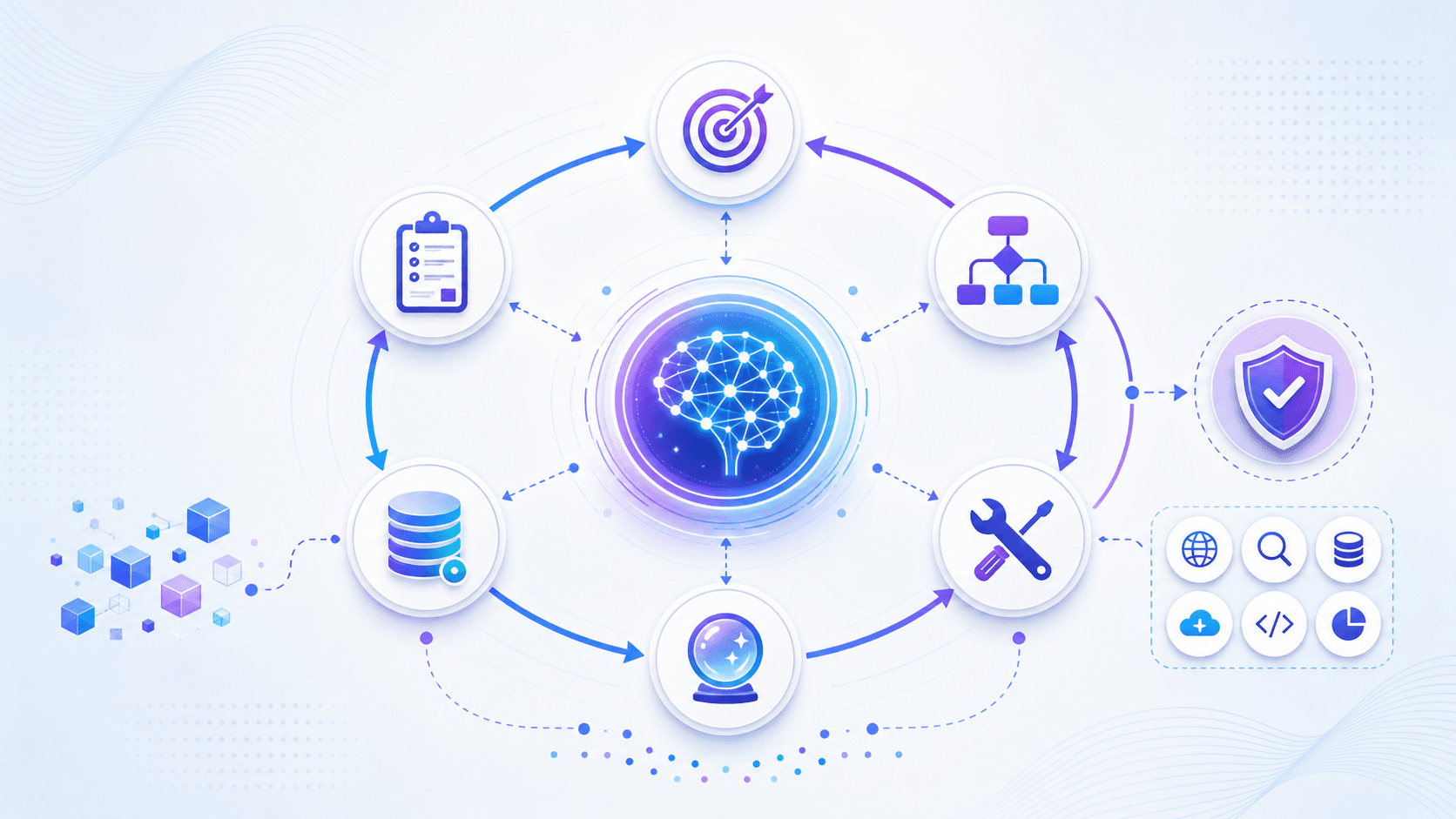
This is the eleventh post in the “Understanding LLMs from First Principles” series. Post 10: Tool Use explained how models move from “can say” to “can do” through structured tool calls. Now we take one step further: if a task is not a single tool call, but requires decomposing a goal, acting repeatedly, observing results, revising the plan, and eventually delivering an outcome, how does a system move from chatbot to agent?
In the Tool Use post, we reached one central point:
The model understands intent and emits tool calls.
The runtime validates, executes, and returns observations.
Tool results enter context and affect the model's next generation.
This already gives the model a way to act.
But many real tasks are not completed in one step.
A user may not simply ask:
Check this order.They are more likely to ask:
Help me understand why this customer requested a refund.
Look at the conversation history and order status.
If the request matches policy, draft a handling plan.
Create a support ticket if needed.
Then give me a conclusion I can confirm.
The key in this kind of task is not only “which tool should be called.”
The key is:
What is the goal?
How far has the task progressed?
What should happen next?
Did the last step succeed?
How should the system adjust after failure?
When should it stop?
Which actions require human confirmation?
That is the problem agents solve.
An agent is not a model that chats better. It is an execution system that keeps moving a task toward a goal.
Once this sentence is clear, agents become much less mysterious.
1. Agents Solve Task Progress, Not Just Answers
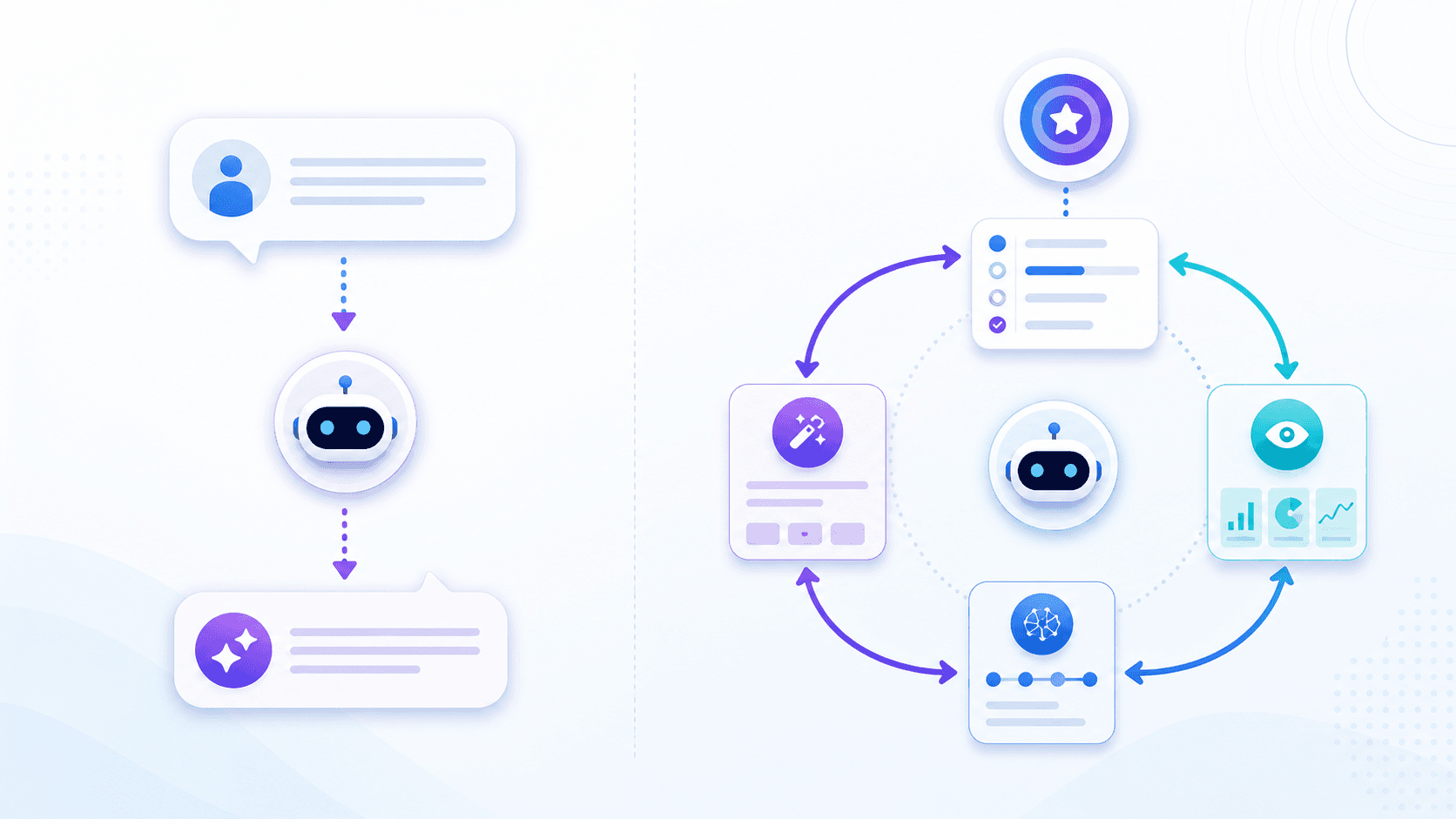
The default pattern of a normal chatbot is:
User asks
↓
Model answers
↓
The conversation ends, or waits for the next turn
Even if the answer is well written, it is still one act of language generation.
Tool Use adds one more step:
User makes a request
↓
The model calls a tool
↓
The tool returns a result
↓
The model answers
An agent looks more like:
The user gives a goal
↓
The system decomposes the task
↓
The model chooses the next action
↓
A tool executes and returns an observation
↓
The system updates state
↓
The model continues from the new state
↓
This repeats until completion, or until human intervention is needed
Suppose the user asks:
Prepare a competitive research brief for me.A chatbot may directly generate a plausible report.
A tool-calling system may search a few web pages and summarize them.
An agent system should behave more like a junior researcher:
Clarify the research goal.
List the competitors.
Search public material.
Extract features, pricing, positioning, and user feedback.
Notice missing information.
Fill the important gaps.
Organize a comparison table.
Write conclusions.
Attach sources.
Mark which judgments remain uncertain.
The point is not how beautiful the model’s first answer is.
The point is whether the system can maintain task state and move the task step by step toward completion.
2. Chatbots, Workflows, and Agents
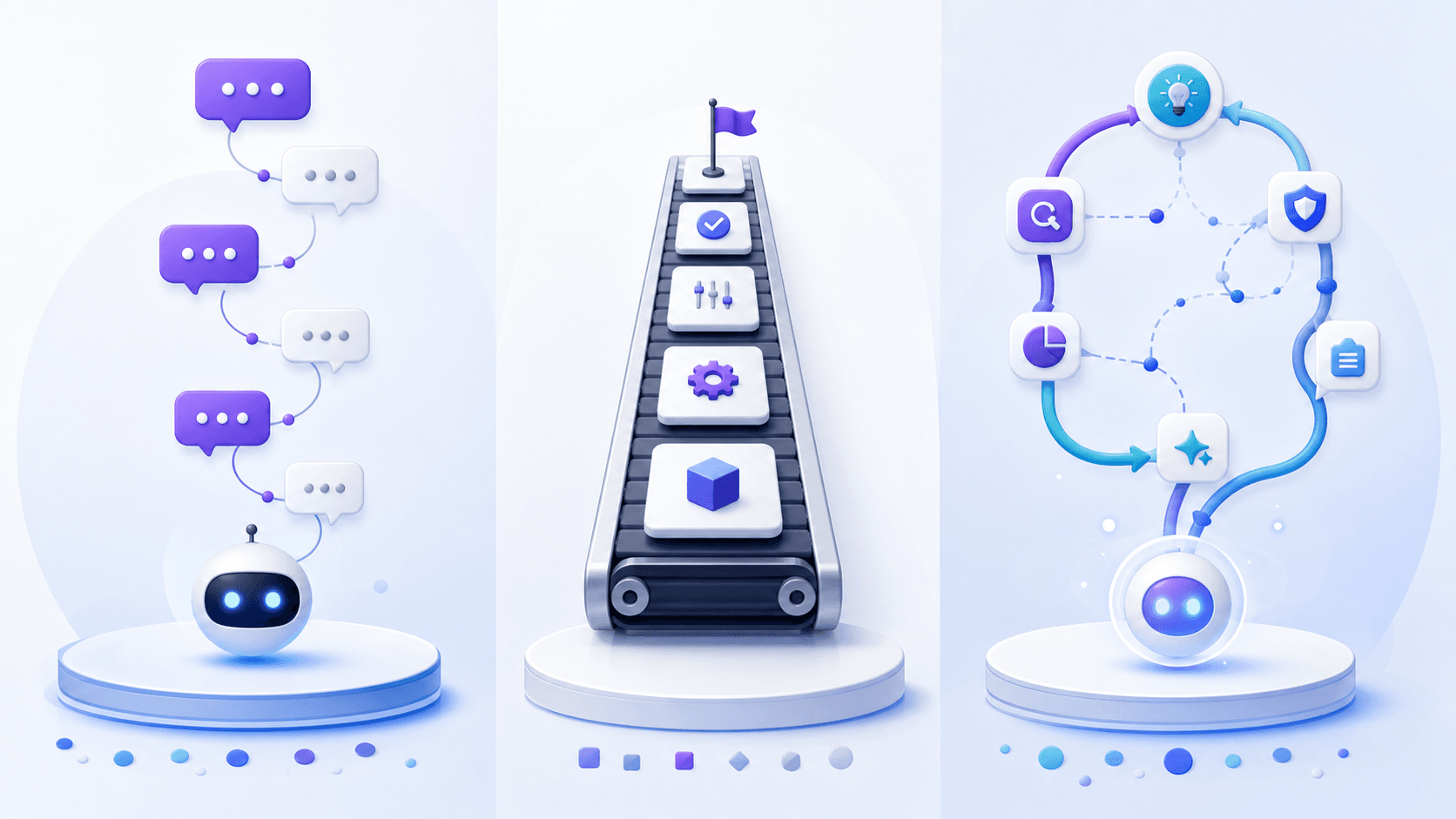
The easiest way to understand agents is to separate them from two nearby ideas:
Chatbots
Fixed workflows
Agents
A chatbot centers on answering.
It usually does not maintain complex state or actively plan future steps.
A fixed workflow centers on process.
It predefines the steps:
Check the order.
Then check policy.
Then evaluate eligibility.
Then generate the reply.
Then wait for confirmation.
This is stable and easy to audit.
But it does not handle open-ended tasks well.
If the order is abnormal, the material is missing, or the user’s goal changes, the fixed workflow either explodes into many branches or falls back to a human.
An agent sits between these two.
It is not unconstrained conversation.
It is also not a fully hardcoded process.
More precisely:
An agent gives the model a goal, state, tools, and constraints,
then lets the model choose the next action inside controlled boundaries.
So the advantage of an agent is not that it is magical.
Its advantage is:
When the goal is clear but the path is not fully known,
it can choose steps dynamically and keep progressing.
That is why agents fit tasks such as research, debugging, code editing, data analysis, operations handling, and customer-support collaboration.
These tasks have goals, but the path changes as observations arrive.
3. First Principles: Goal, State, Action, Observation, Stop
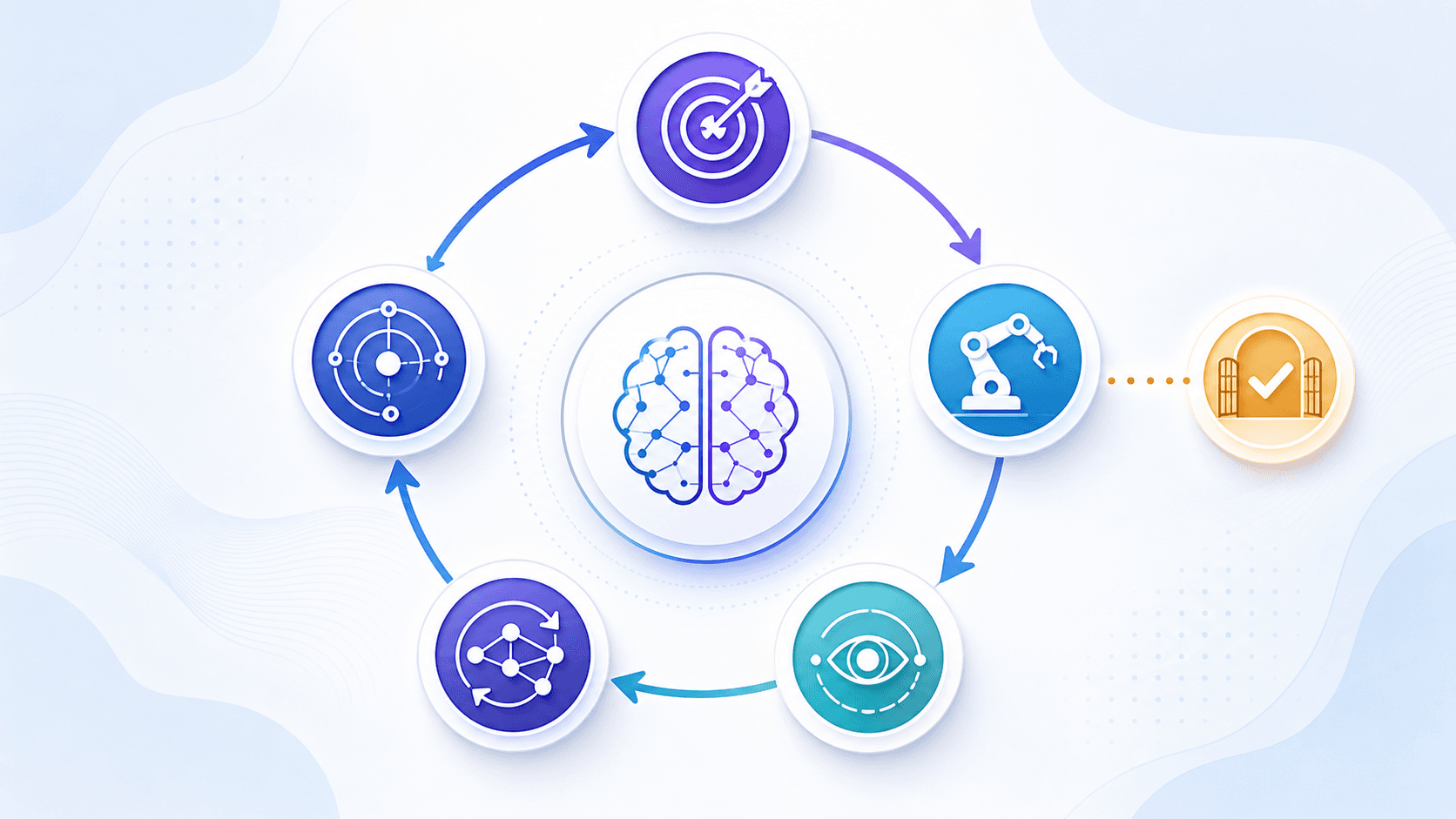
From first principles, an agent needs at least five elements:
Goal
State
Action
Observation
Stop condition
The goal answers:
What should the system ultimately complete?The state answers:
What is known now?
What has already been done?
What remains?
What constraints exist?
The action answers:
What can be done next?
Which tool should be called?
What should be asked from the user?
What intermediate artifact should be generated?
Should the system wait for an external result?
The observation answers:
What new fact did the outside world return after the action?
Did it succeed?
Did it fail?
Does the result change the plan?
The stop condition answers:
When can the system deliver?
When must it pause?
When should it ask for user confirmation?
When should it abandon the current path?
Together, these elements make an agent concrete.
It can be written as a loop:
Read the goal and current state
↓
Choose the next action
↓
Execute the action
↓
Read the observation
↓
Update state
↓
Decide whether to stop
↓
If not stopped, continue
So an agent is not “a model that suddenly has autonomy.”
It is:
A controlled loop in which the model repeatedly chooses the next action from goal and state until the task is complete or a stop condition fires.
4. A Plan Is a Temporary Hypothesis, Not an Answer
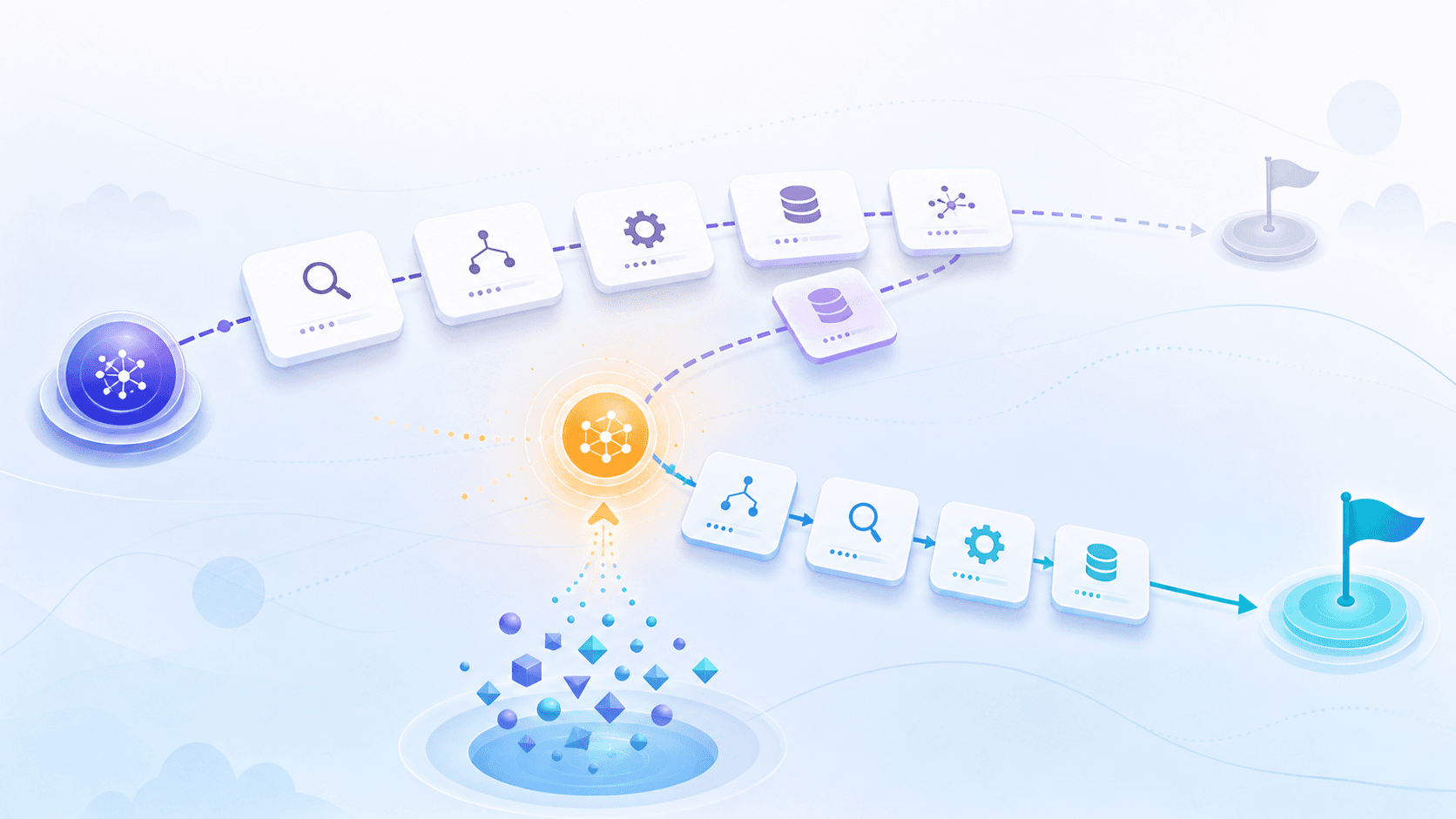
Many agent systems first ask the model to generate a plan.
For example:
1. Read the request
2. Search relevant sources
3. Build a comparison table
4. Write conclusions
5. Check for gaps
Plans matter.
But a plan should not be treated as an immutable answer.
Agents operate in an open world.
After taking action, the system may discover:
The material does not exist.
The API failed.
Permission is missing.
The user's input is ambiguous.
The first judgment was wrong.
The task goal needs clarification.
The cost is higher than expected.
An action is too risky.
If the plan is frozen, the agent will keep moving down the wrong path.
A better way to see a plan is:
A plan is a working hypothesis under current information.It gives the system direction.
But every new observation may justify revising it.
For example, a code-editing agent may first plan:
1. Find the file that triggers the error
2. Update the type definition
3. Run tests
4. Commit the change
But after tests fail, it should revise the plan:
The type issue is only surface-level.
The real problem is the data structure.
Inspect the upstream input path.
Do not commit yet.
This is the difference between an agent and a fixed workflow.
A fixed workflow emphasizes executing predefined steps.
An agent emphasizes keeping the goal stable while revising the path from observations.
5. State and Memory: Context Is Not All Memory
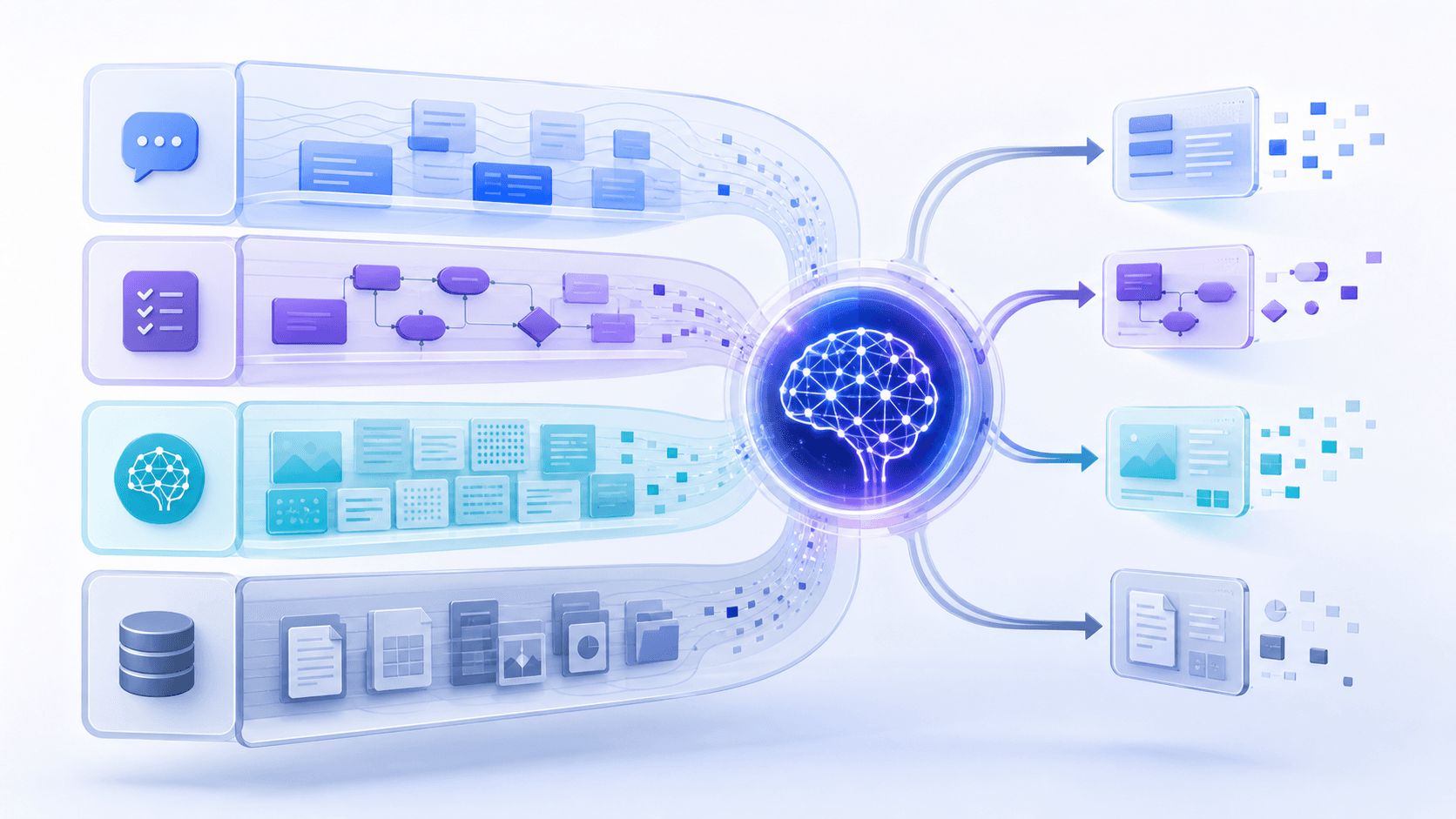
An agent must manage state.
Otherwise it cannot answer:
Where am I in the task?
Which facts have been confirmed?
Which tools have already been called?
Which attempts failed?
Why is the next step justified?
Many people equate state with the context window.
That is not enough.
The context window is the model’s current workspace.
But an agent task can be long.
It may span many turns, many tool calls, many files, many hours, or even many days.
If all state is stuffed into context, several problems appear:
Context grows and cost rises.
Old information gets truncated.
Irrelevant details distract the model.
Key decisions lack structured records.
State disappears after a system restart.
A safer design is layered memory:
Short-term context: information needed for the current step
Task state: goal, todo list, completed work, blockers, decisions
Long-term memory: user preferences, project background, historical experience
External records: databases, files, tickets, logs, version control
The model should not carry everything in its own prompt.
The system should store important state structurally and bring relevant parts back into context when needed.
This is similar to the idea behind RAG:
Do not permanently stuff all information into the model.
Retrieve the relevant information when it matters.
Long tasks usually need two context-recovery patterns at the same time. The first is retrieval-based: store history, files, tickets, and logs in external systems, then retrieve the relevant pieces by keyword or semantic search when needed. The second is compression-based: summarize completed work into a shorter task brief, decision log, and current state so the context does not grow without bound.
For agents, memory is not mystical.
Memory is state management.
6. Tools and Environment: The Agent’s Action Space
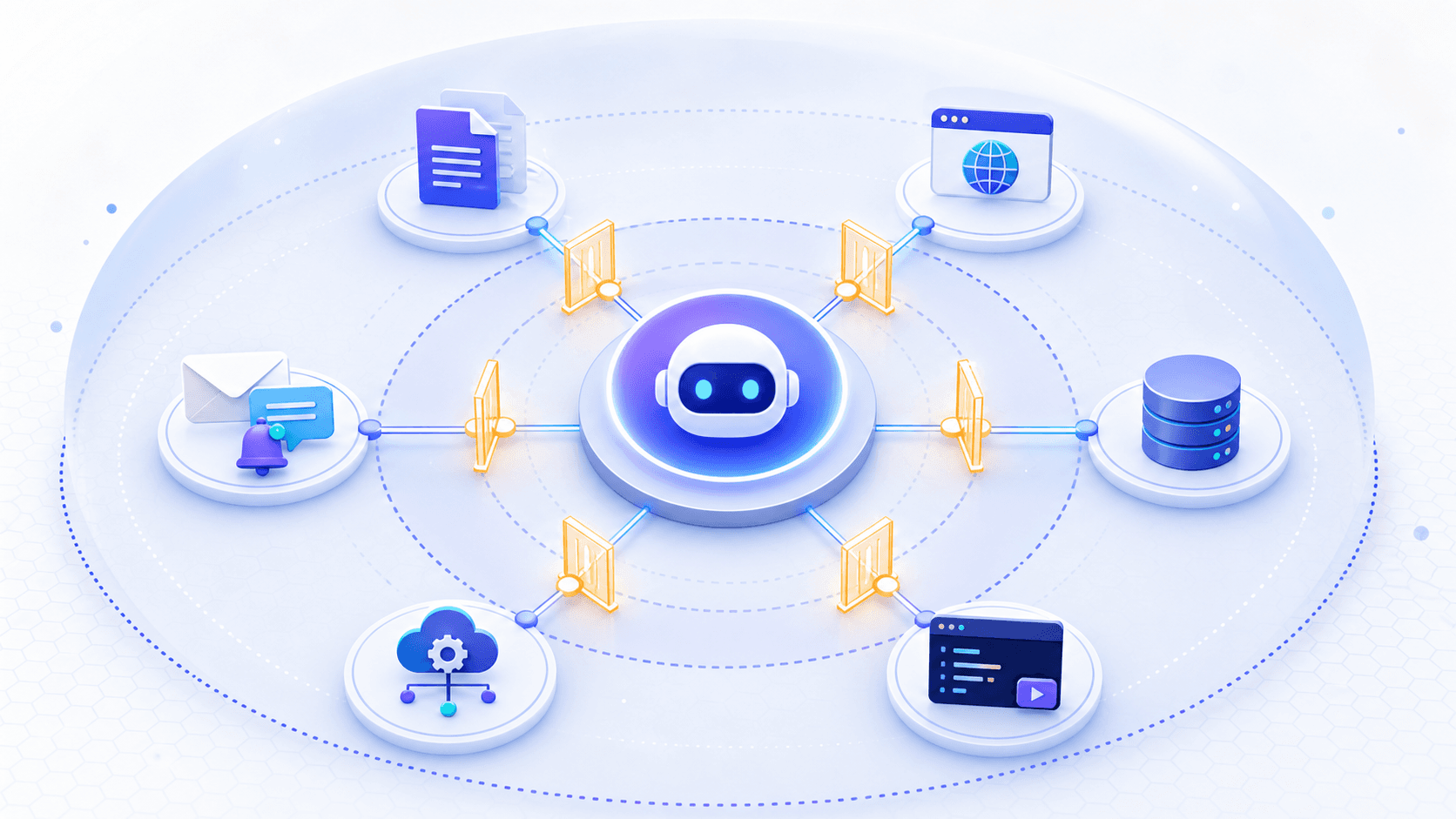
What an agent can do depends on the environment it can access.
A model that only chats has one action space:
Generate text.A model with tools has a larger action space:
Search.
Read files.
Write files.
Run code.
Query databases.
Call business APIs.
Open a browser.
Send notifications.
Create tickets.
But a larger action space also means higher risk.
So an agent system should not only ask:
Is the model smart enough?It also needs to ask:
What can it see?
What can it change?
Which actions require confirmation?
Which tools are read-only?
Which environments are sandboxed?
Which logs must be kept?
Which operations can be rolled back?
Which operations should never run automatically?
From a product perspective, an agent’s capability boundary is mainly determined by four things:
Model capability
Tool set
State and memory
Environment permissions
A stronger model can understand more complex goals.
A more complete tool set lets it actually act.
Clearer state lets it stay coherent across steps.
Clearer permissions let it act safely.
Without any one of these, the agent deforms.
A model without tools can only speak.
Tools without a model are just automation scripts.
A model plus tools without permission boundaries becomes uncontrolled risk.
7. Observation and Recovery: Failure Is Part of the Loop
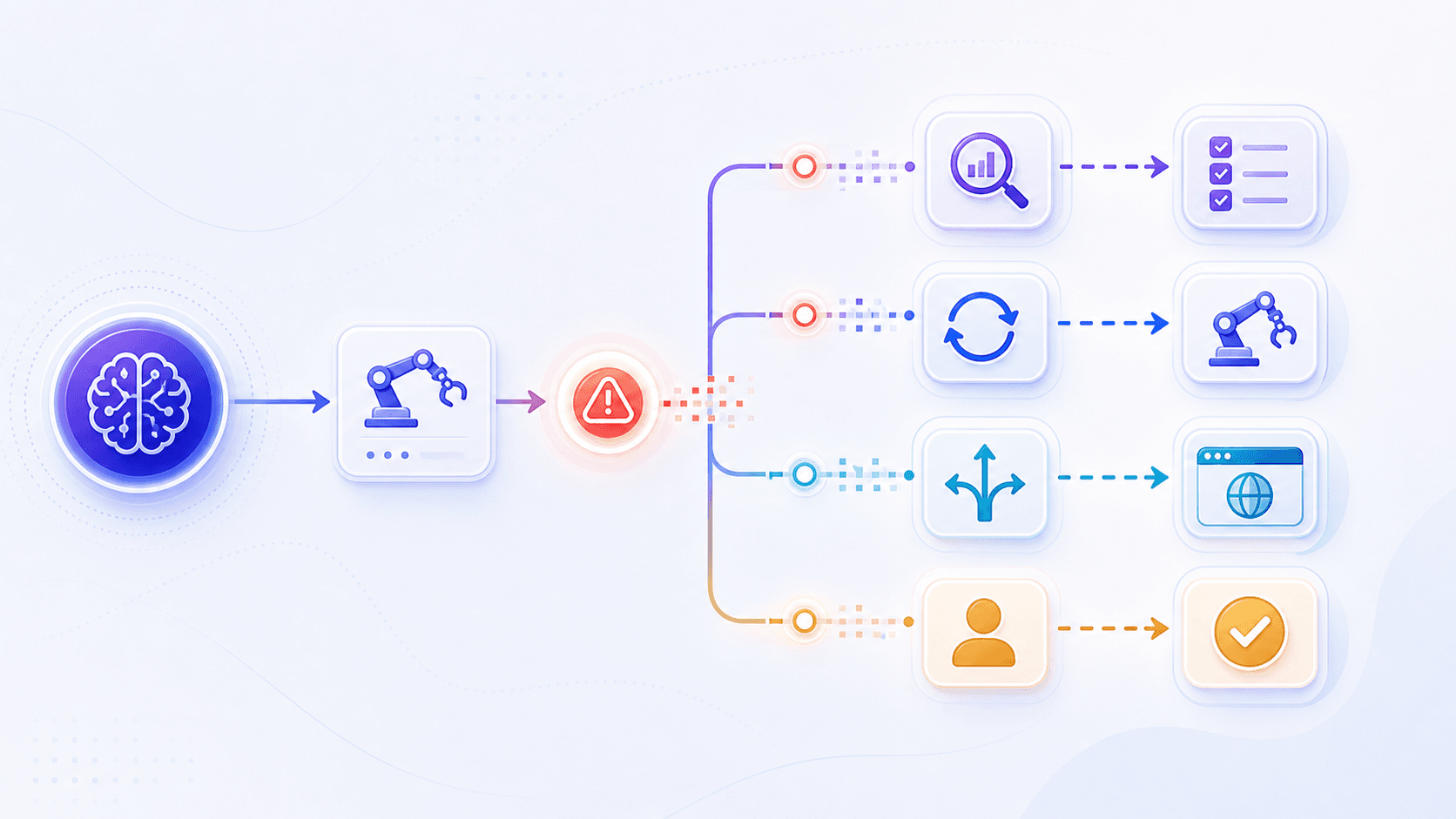
Agents will fail.
This is not a design defect. It is normal for open-ended tasks.
Failure can come from many places:
The model misunderstood the goal.
The wrong tool was selected.
The arguments were wrong.
The external system timed out.
Permission was missing.
Data was absent.
Tests failed.
The user's goal changed.
The environment state contradicted the assumption.
An immature agent hides failure inside pleasant prose:
I have completed it.A mature agent treats failure as an observation:
This step failed.
Why did it fail?
Can it be retried?
Should another tool be used?
Is more information needed?
Did it already produce side effects?
Should the system pause and ask a human?
In a code-editing task, a failing test is not the end.
It is input for the next reasoning step:
Which test failed?
What is the error message?
Is it a type issue, logic issue, or environment issue?
Did the last edit introduce a new problem?
Should the agent continue editing or roll part of the change back?
That is why agent observations must be structured.
If a tool only returns:
It failed.The model has little to reason from.
If the tool returns:
{
  "status": "error",
  "step": "run_tests",
  "code": "ASSERTION_FAILED",
  "message": "Expected 3 items but received 2.",
  "file": "cart.test.ts",
  "failed_assertion": "Expected cart to contain 3 items after filtering, but received 2.",
  "related_test": "cart item filtering"
}
The model can more easily turn failure into the next action.
An agent’s reliability depends heavily on how it handles failure.
8. Stop Conditions: Stopping Matters as Much as Acting
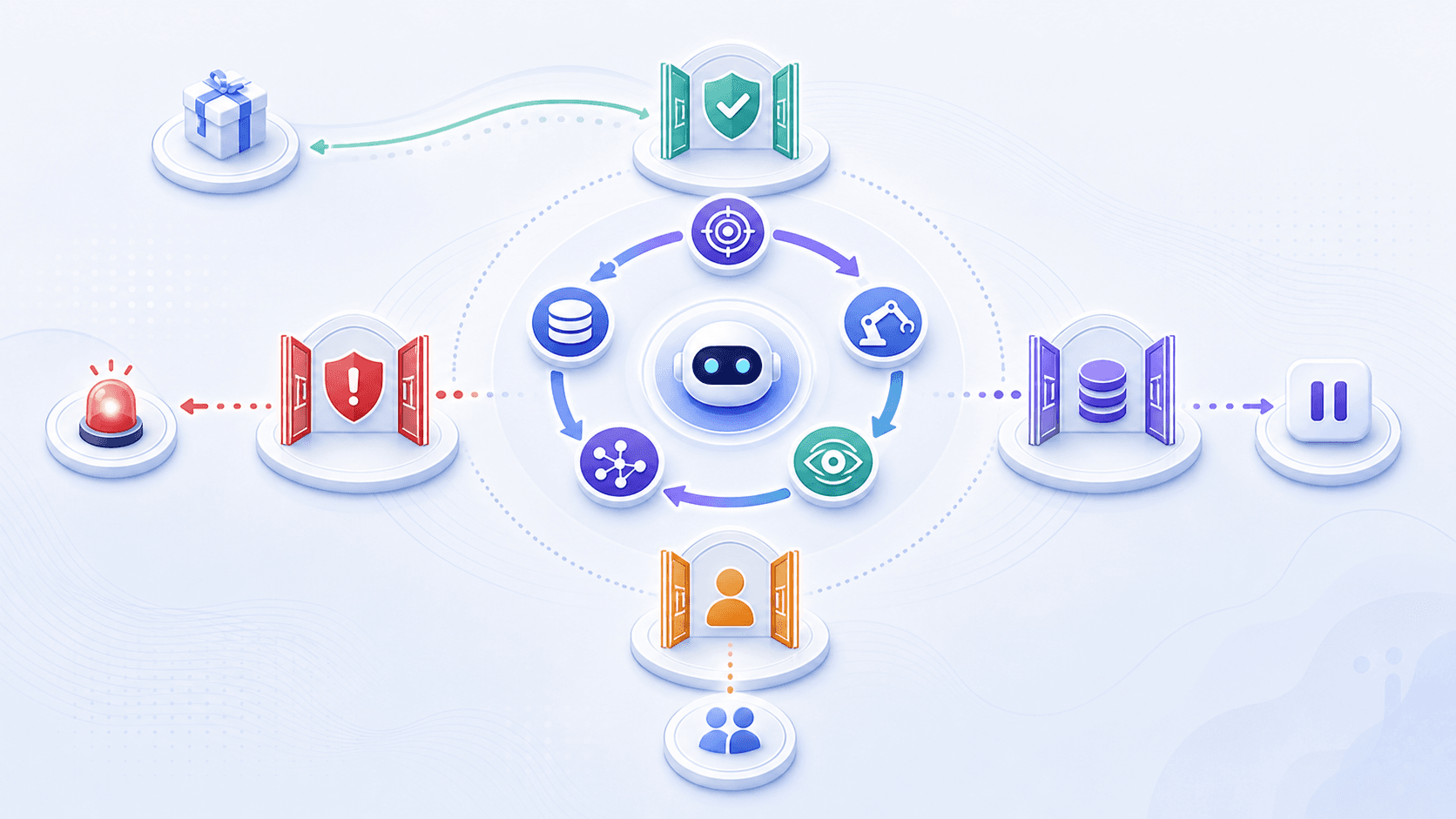
If a system can keep acting, “when should it stop?” becomes a core question.
An agent without stop conditions is dangerous.
It may:
Loop forever.
Call tools repeatedly.
Attempt actions outside its authority.
Consume too many tokens and too much cost.
Invent a completion state when uncertain.
Continue low-confidence actions.
Move forward when human confirmation is required.
So an agent needs several kinds of stop conditions.
The first kind is completion:
Is the goal satisfied?
Was the deliverable produced?
Did checks pass?
Did the user confirm?
The second kind is risk:
Will the action create irreversible side effects?
Does it involve payment, deletion, sending, committing, or approval?
Does it require explicit user confirmation?
Does it hit a permission or compliance boundary?
The third kind is resources:
Maximum steps
Maximum tool calls
Maximum elapsed time
Maximum cost
The fourth kind is blockers:
Required information is missing.
Permission is insufficient.
An external system is unavailable.
Retries have failed repeatedly.
Evidence is not strong enough to continue.
A good agent does not only know how to continue.
It must know how to stop, ask, and hand off.
In a product, this usually means:
Show the current plan.
Show completed steps.
Explain blockers.
Offer possible next steps.
Wait for user confirmation before high-risk actions.
Escalate to a human when confidence is low.
Action needs boundaries.
Stop conditions are part of those boundaries.
9. Product and Engineering: An Agent Is a System, Not a Prompt
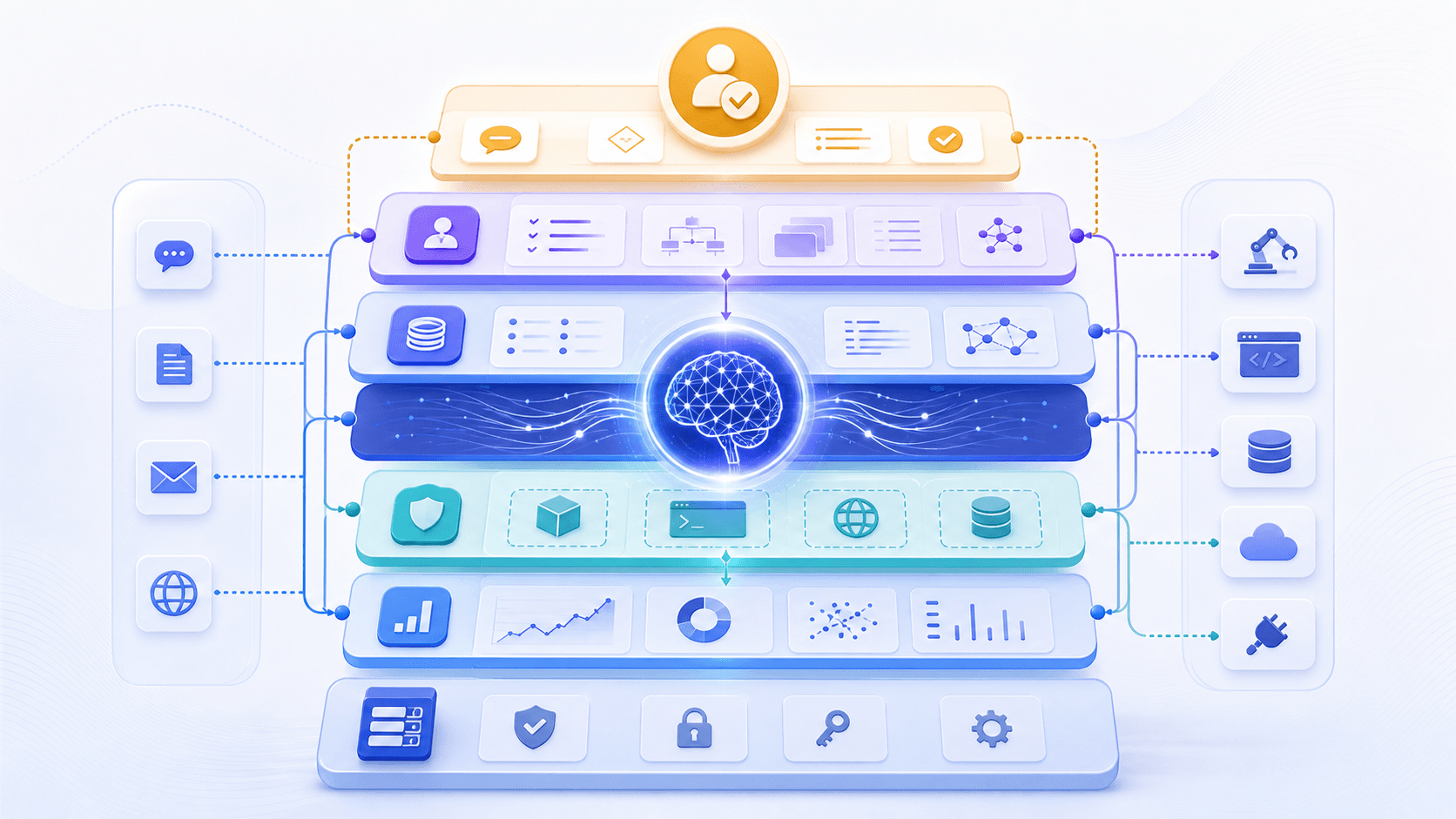
A common mistake in agent products is:
Write a very long prompt and let the model plan and execute by itself.Prompts matter.
But an agent cannot rely on prompts alone.
A usable agent system usually needs these layers:
Task intake: user goal, scope, constraints, confirmation mode
State management: plan, progress, todo, completed work, blockers, decisions
Tool runtime: schema, permission, argument validation, execution, error returns
Environment isolation: sandbox, read-only mode, write confirmation, rollback
Observation logs: every call, result, latency, cost, and user feedback
Evaluation: whether the task was completed, steps were reasonable, risks were controlled
Human intervention: confirmation, approval, takeover, correction, final acceptance
This explains why agent products are hard for reasons beyond model quality.
The hard part is end-to-end system design.
A coding agent does not only need to write code.
It must also:
Understand the repository structure.
Find relevant files.
Avoid overwriting user changes.
Run tests.
Explain failures.
Control the edit scope.
Pause when uncertain.
Tell the user what changed.
A support agent does not only need to speak politely.
It must also:
Read user identity.
Query orders.
Match policy.
Protect privacy.
Separate suggestions from official actions.
Confirm high-risk operations.
Write the handling process back to a ticket.
So the engineering problem of agents is:
How can a probabilistic model participate in deterministic business processes
while preserving control, explainability, and responsibility boundaries?
10. Levels of Agent Autonomy
Not every agent should have the same autonomy.
We can roughly divide autonomy into levels:
| Level | Capability | Risk | Suitable Uses |
|---|---|---|---|
| L0 | Answers only, no action | Low | Q&A, explanation, drafting |
| L1 | Reads tools to support answers | Lower | RAG, search, data lookup |
| L2 | Suggests actions and waits for confirmation | Medium | Email drafts, ticket suggestions, recommendations |
| L3 | Automatically executes low-risk actions | Medium-high | File organization, test runs, status sync |
| L4 | Continues tasks inside defined boundaries | High | Code editing, data analysis, operations handling |
| L5 | Handles long-running goals autonomously | Very high | Complex work requiring audit, approval, and human fallback |
This is not an industry standard.
It is only a reminder:
Agent autonomy should match task risk.Many products do not need to start with a fully autonomous agent.
A more realistic path is:
First let the model read.
Then let it suggest.
Then let it write after confirmation.
Then let it automatically execute low-risk steps.
Only then extend toward long-horizon tasks.
That path is usually more reliable than chasing full autonomy from day one.
11. Common Misunderstandings
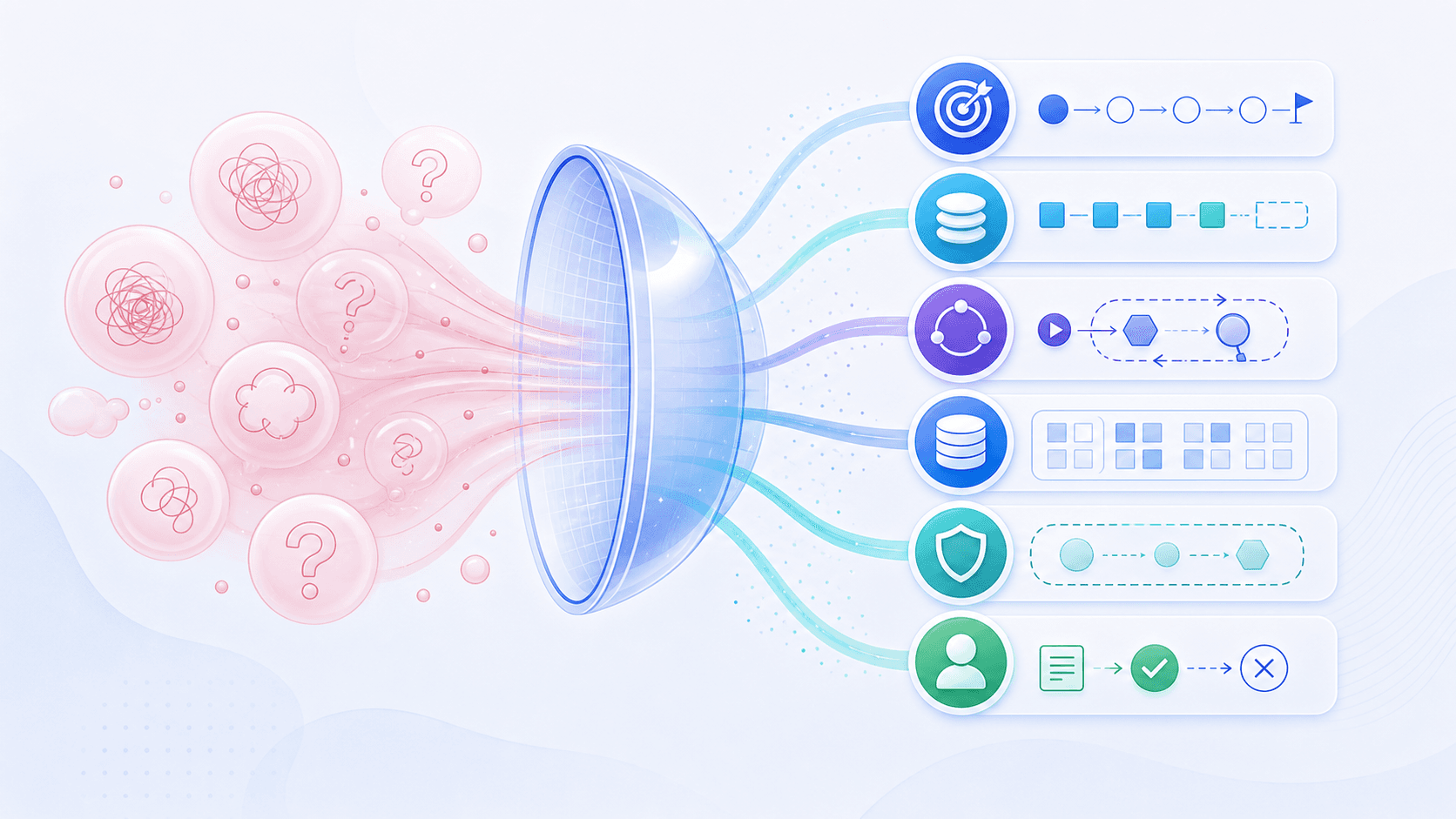
Misunderstanding 1: An agent is just a chatbot with tool calling.
Not quite. Tool calling is one foundation of agents, but agents also need goals, state, plans, observations, stop conditions, and an execution loop.
Misunderstanding 2: More autonomy is always better.
Not necessarily. Autonomy must match risk. Reading can be more automatic; writing, high-risk actions, and irreversible actions need confirmation, permission, and audit.
Misunderstanding 3: If the model is strong enough, workflows are unnecessary.
No. The stronger the model, the more important boundaries become. Workflows, permissions, tool schemas, and evaluation do not replace the model; they make its capability usable.
Misunderstanding 4: Once a plan is written, the agent should follow it exactly.
No. A plan is a temporary hypothesis under current information. When observations change, the plan should be revised.
Misunderstanding 5: Agent memory means putting all history into context.
No. Memory should be layered: short-term context, task state, long-term preferences, and external records are different things.
Misunderstanding 6: If an agent completes tasks, users do not need to see the process.
Also no. The higher the risk, the more the product needs to show plans, key actions, results, cost, failure reasons, and confirmation points.
12. Summary: An Agent Is a Controlled Loop for Continuous Action
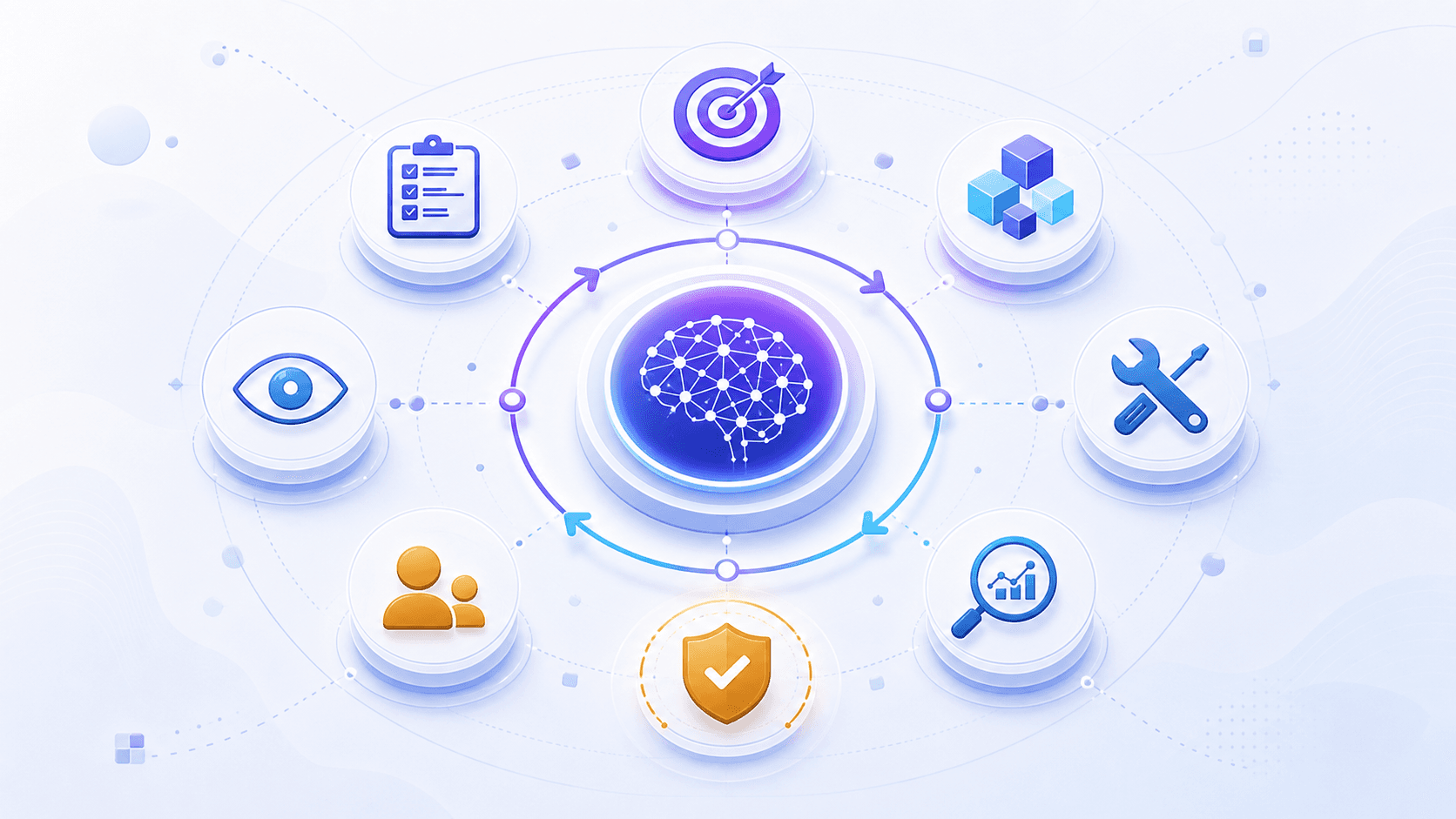
We can now compress agents into a few lines:
Chatbots mainly generate answers.
Tool Use connects language intent to external systems.
Agents create a continuous execution loop among goals, state, tools, and constraints.
Plans are temporary hypotheses, not fixed answers.
Observations update state and change the next action.
Memory is structured state management.
Stop conditions and human confirmation define the safety boundary.
The hard part of agent products is end-to-end system design, not only prompting.
Compressed into one sentence:
An agent lets a model repeatedly choose actions, read observations, update state, and eventually deliver, pause, or ask for human confirmation inside controlled boundaries.
After understanding agents, modern AI products look less like “answering products” and more like “task products.”
The model understands, generates, and chooses the next step.
RAG brings in external evidence.
Tool Use connects external actions.
The agent organizes these abilities into a system that keeps moving a task forward.
But the stronger the task-execution system becomes, the more engineering matters:
Inference cost
Context management
KV cache
Concurrent execution
Tool latency
State persistence
Observability
Deployment architecture
13. Three Questions You Should Be Able to Answer
After reading this post, try answering these in your own words:
- Why is an Agent not simply a chatbot with tool calls?
- Why should a plan be understood as a temporary hypothesis rather than a fixed answer?
- Why are stop conditions and human confirmation as important as action capability?
Next, we will move into LLM engineering: why cost, latency, and deployment systems become decisive when every answer is generated token by token.