👋 Hello, World!
This is a casual blog about AI, product design, and travel.
- Built with nextra
- Deployed via Vercel
- Hosted on GitHub
- On PC, site development is done with VSCode, and Markdown content is edited with Typora
- On iPad, Working Copy is used to connect with the GitHub repository for content management, and Tiao is used for Markdown editing
The solution is basically free (I bought a domain for a better experience), stable in service, and offers good access speed both domestically and internationally. It’s enjoyable to read on both PC and mobile. With git, multi-device synchronization and version management are possible. Writing on iPad is also a pleasure. Overall, I’ve found a solution I’m quite satisfied with.
This site will be updated from time to time with insights from a product manager’s work, tool/product experience sharing, travel stories, and more. I hope it can be helpful or inspiring to you ❤️
🧭 Series Entrances
📅 Recently Published
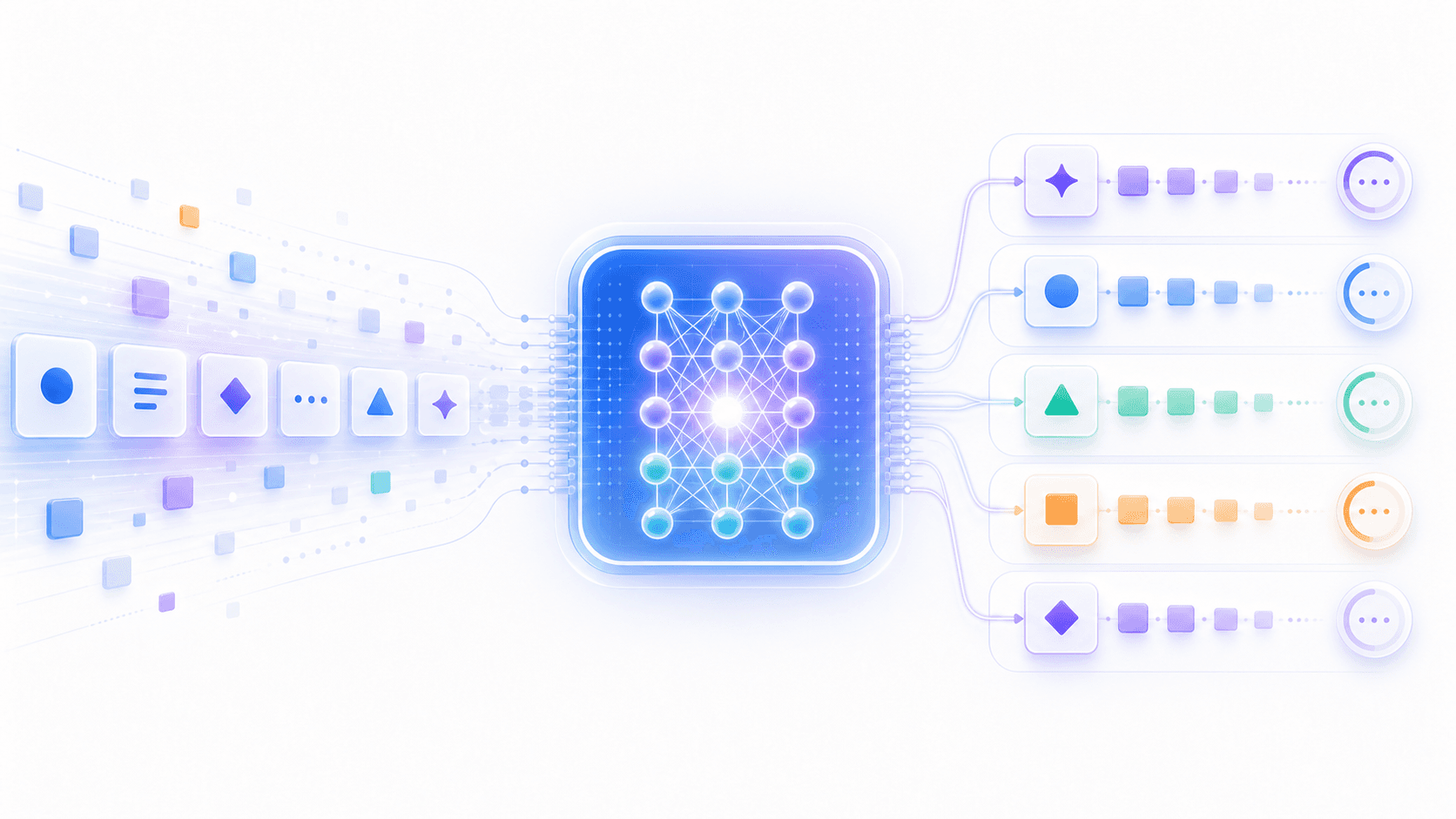
- 01: The First Principle of LLMs: Predicting the Next Token
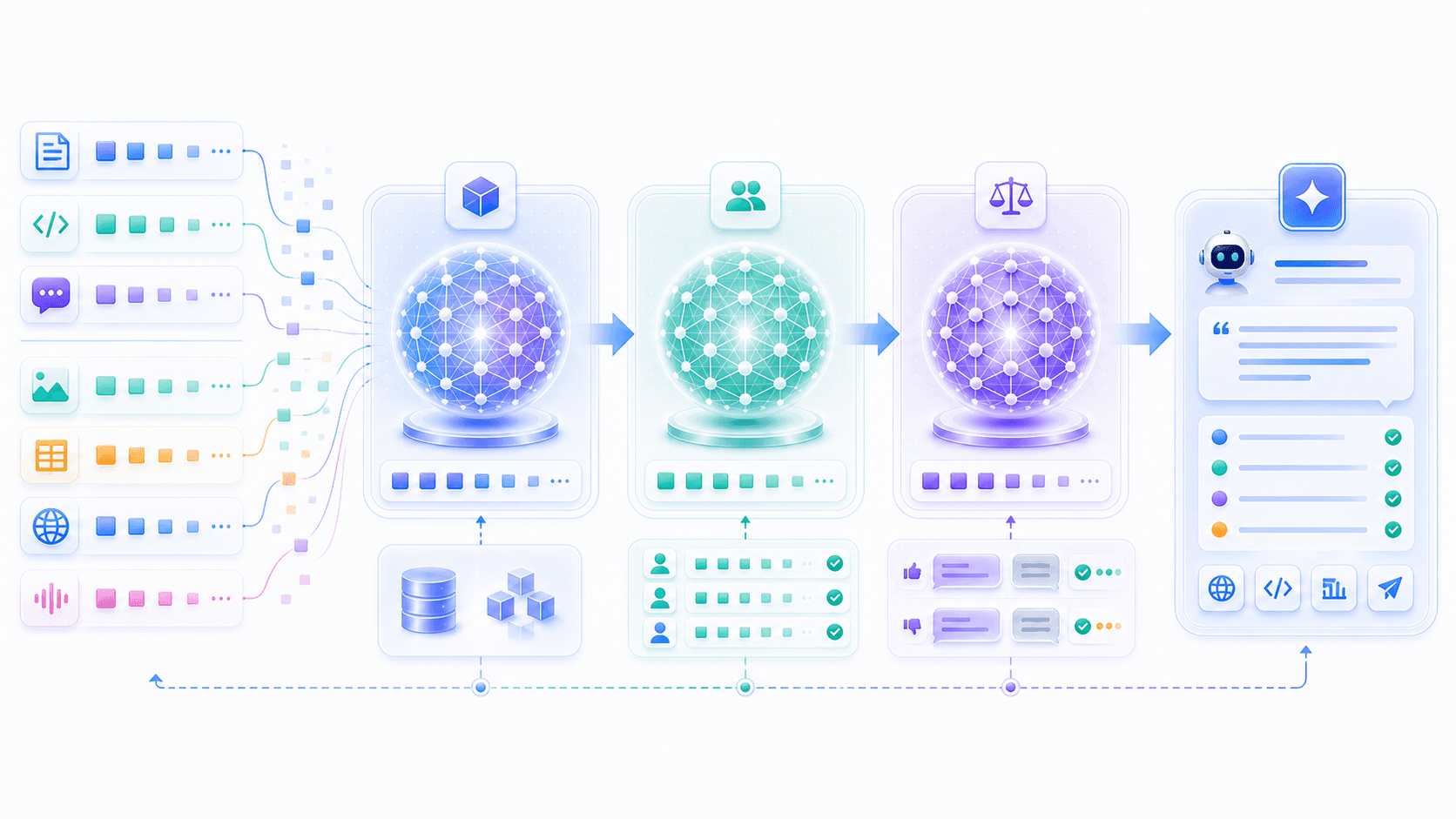
A beginner-friendly explanation of why large language models are not knowledge databases, but probabilistic systems that compress patterns in language by predicting the next token.
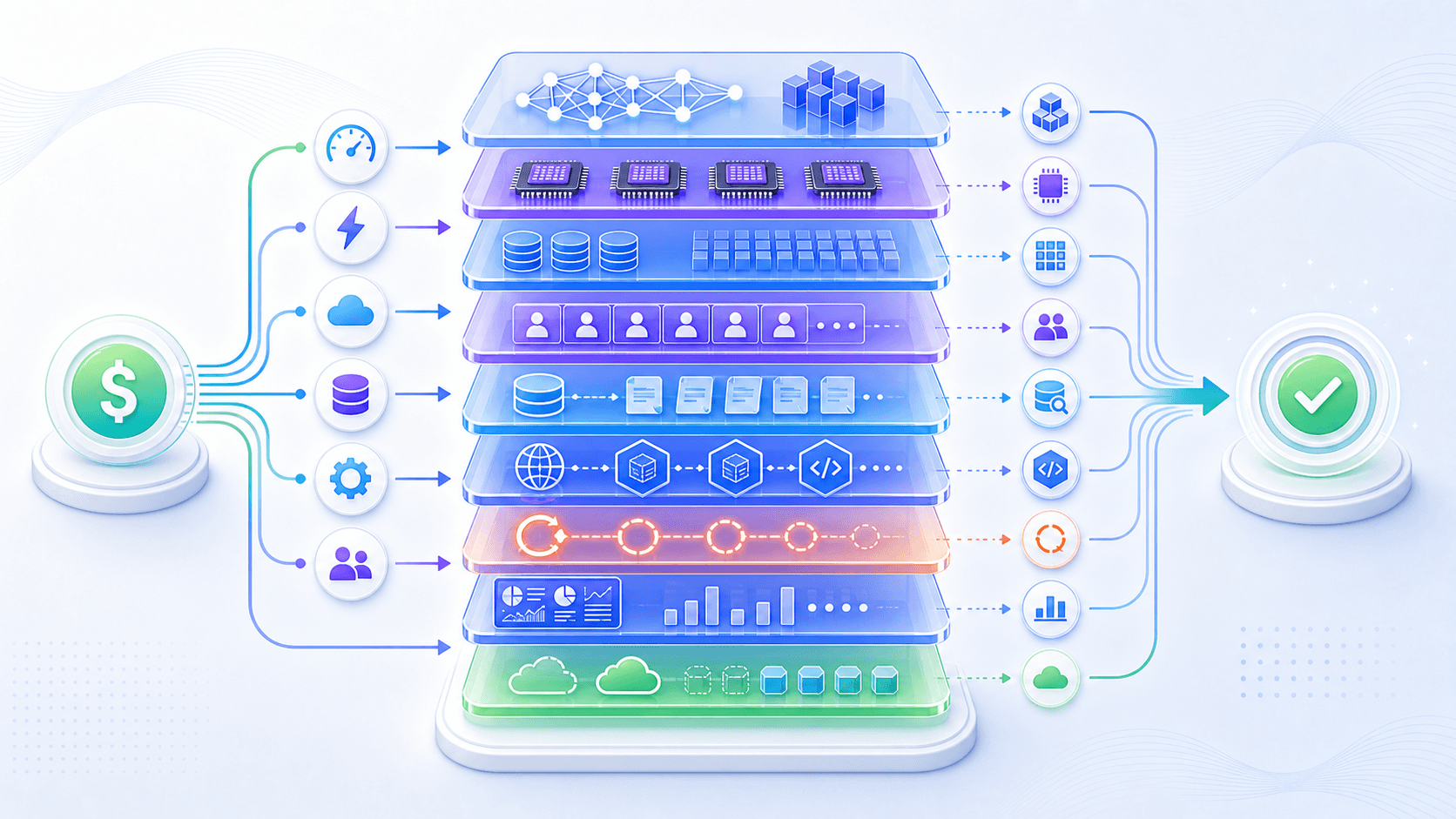
- ✏️ The Math Behind LLM Pricing 06: The Compute Ledger of Training, RL, and Inference
A lifecycle compute ledger for LLMs: 6ND training, 2N inference, RL effective cost, and why pretraining, RL, and inference converge to similar scale.
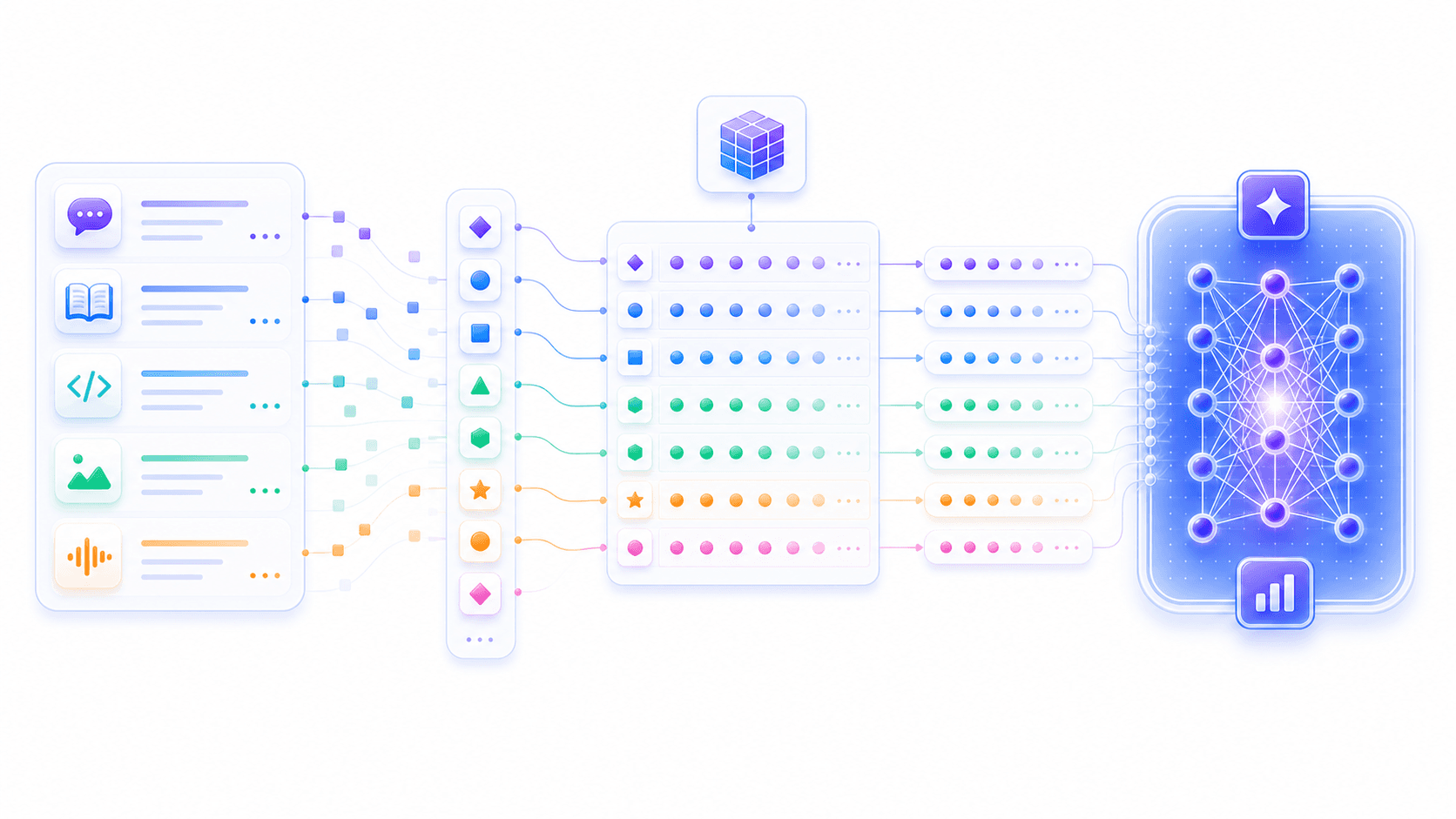
- 02: Token and Embedding: How Language Becomes Numbers
A beginner-friendly explanation of how LLMs turn text into tokens, token ids, and high-dimensional embeddings so language can enter neural network computation.
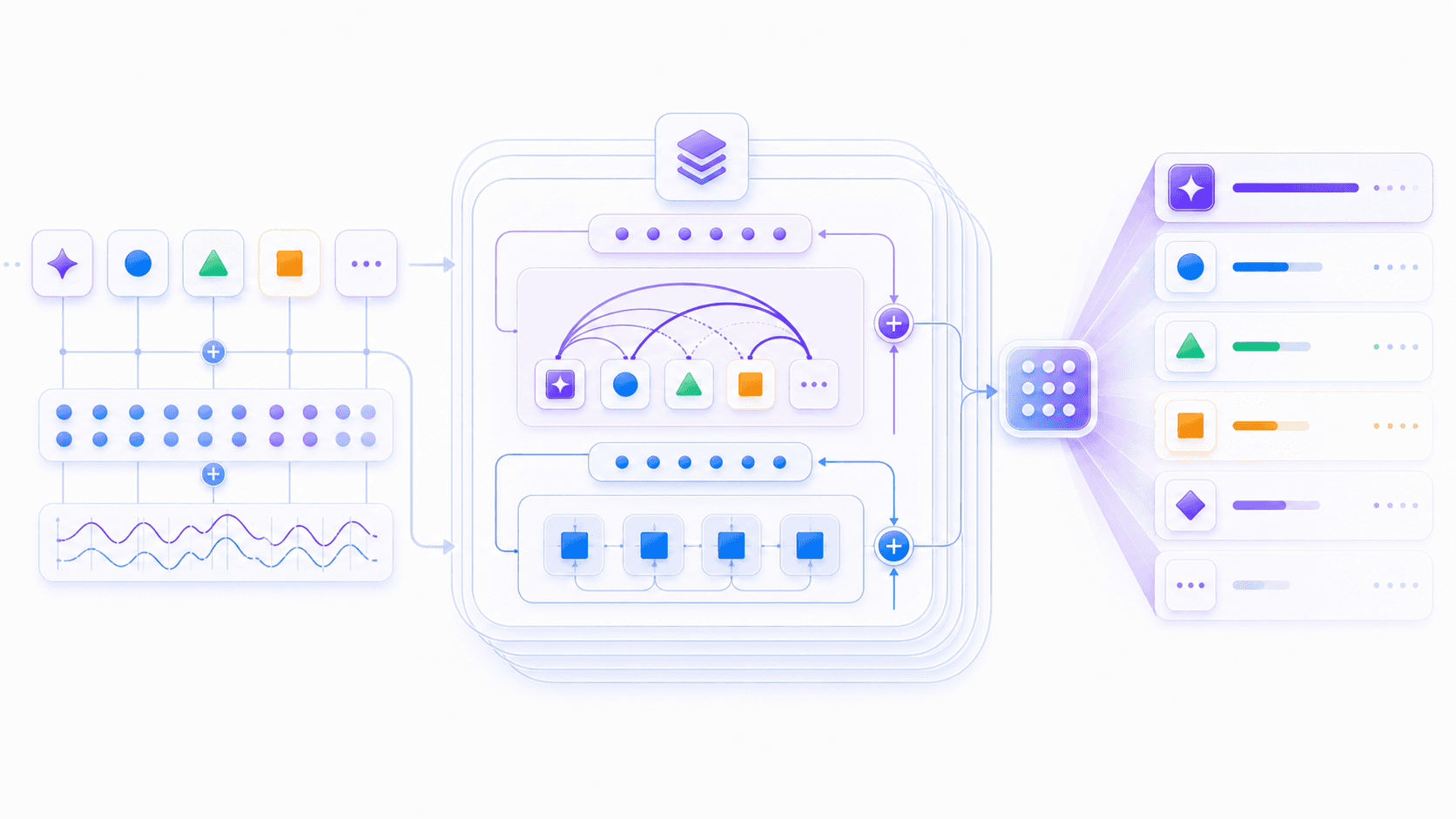
- 03: Transformer and Attention: How Models "See" Context
How embeddings enter Transformer, how Attention finds relevant context, and how layered computation creates representations for next-token prediction.
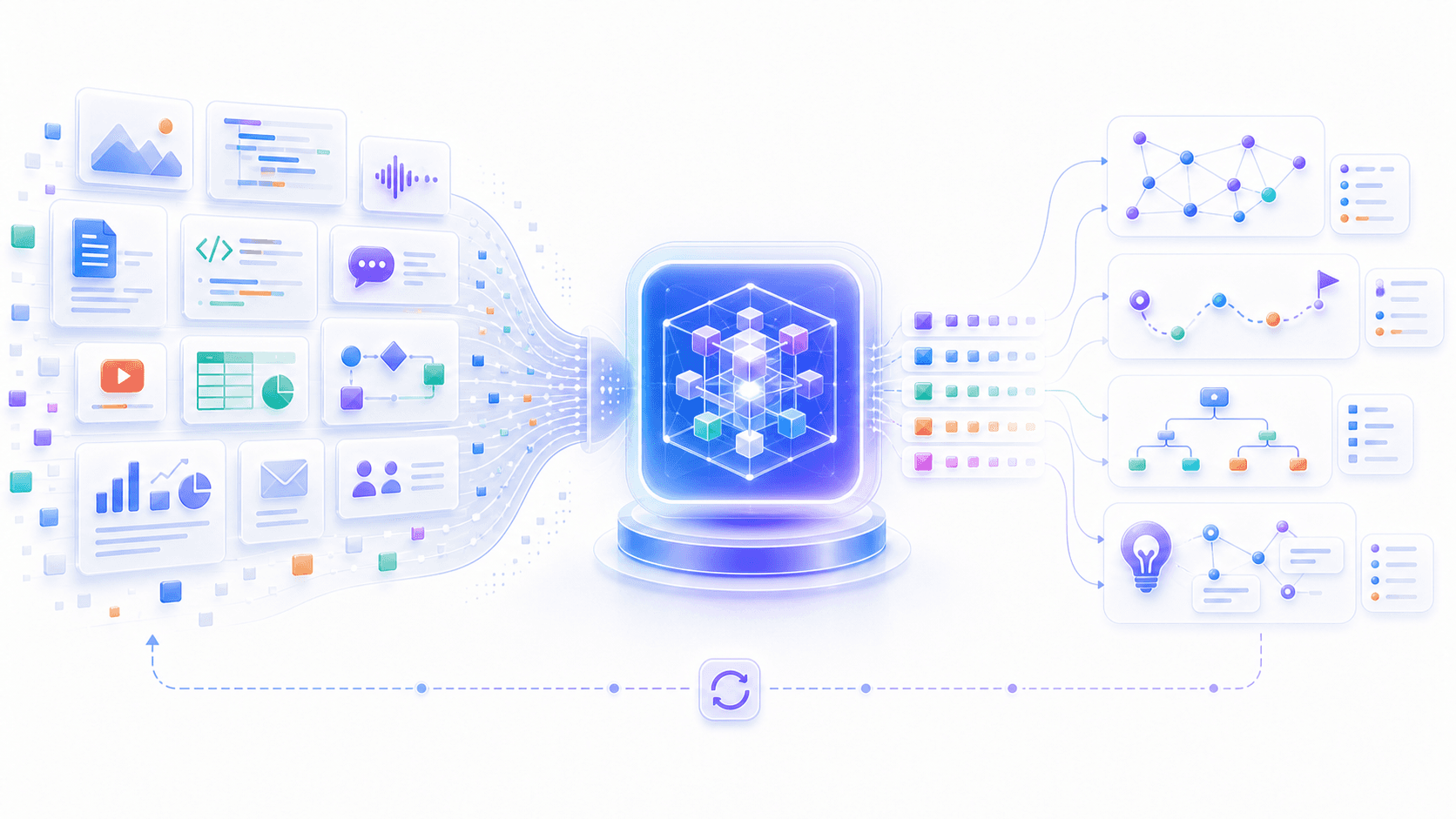
- 04: Language as Compression of the World: Why Prediction Can Become Intelligence
A first-principles explanation of why next-token prediction forces language models to learn compressed structures of knowledge, relationships, and reasoning.
- 05: Pretraining, Fine-tuning, and Alignment: From Continuation Machine to Assistant
A first-principles explanation of how pretraining, supervised fine-tuning, and preference alignment turn next-token prediction into assistant-like behavior.